How Often Should You Test and Inspect Lifting & Rigging Gear? A Practical Schedule for Sydney Sites
Lifting gear doesn’t usually fail in dramatic ways, it fails quietly, after a run of small “close enough” decisions.

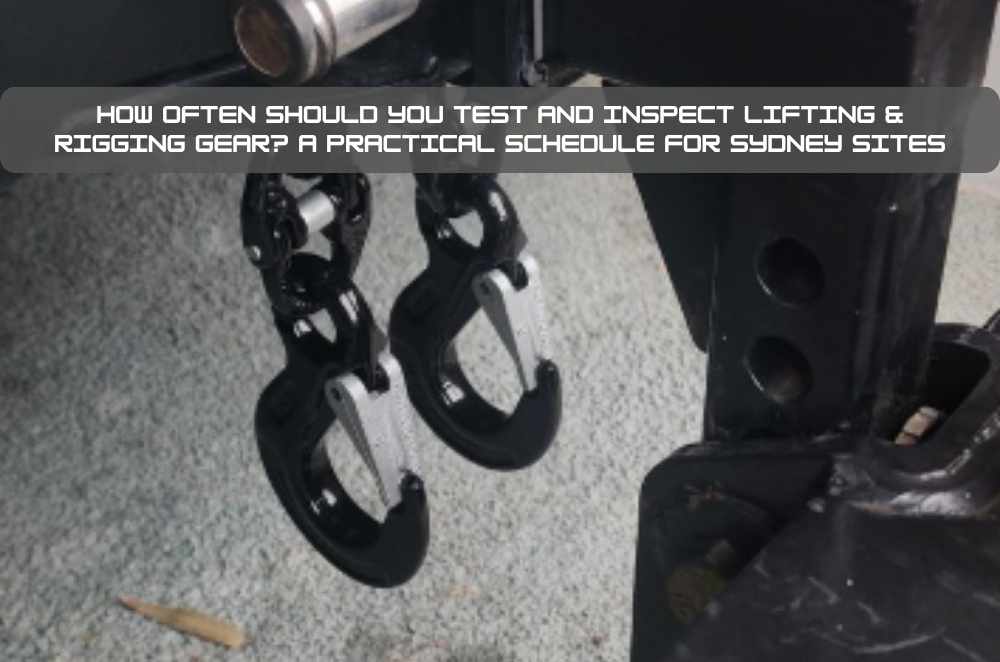
Lifting gear doesn’t usually fail in dramatic ways, it fails quietly, after a run of small “close enough” decisions.
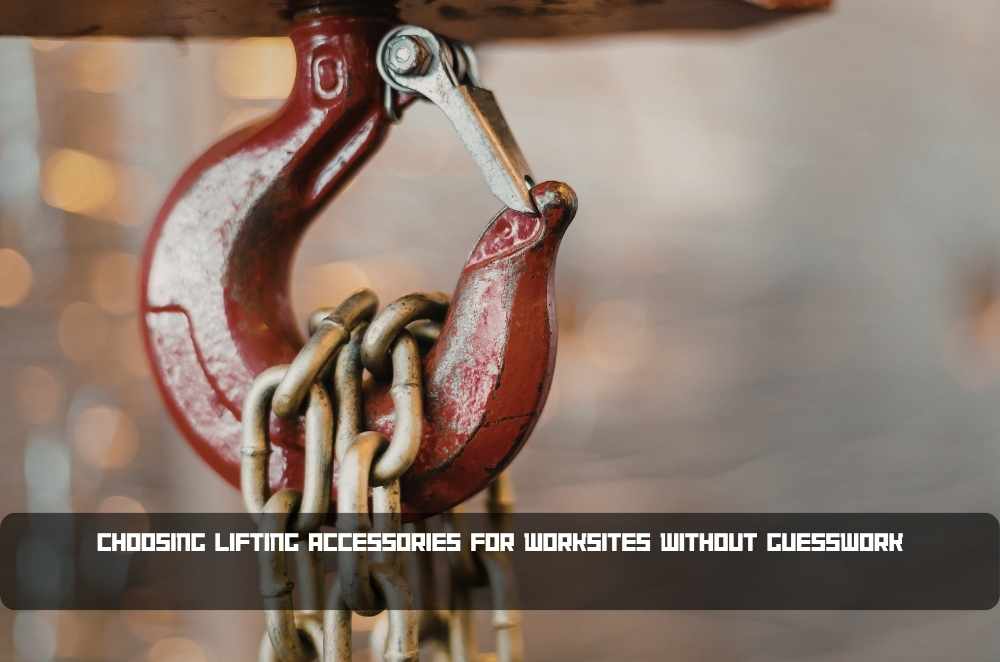
Worksite lifting rarely fails because someone forgot the crane.It fails because “the small bits” weren’t specified, checked, or matched to the lift plan.
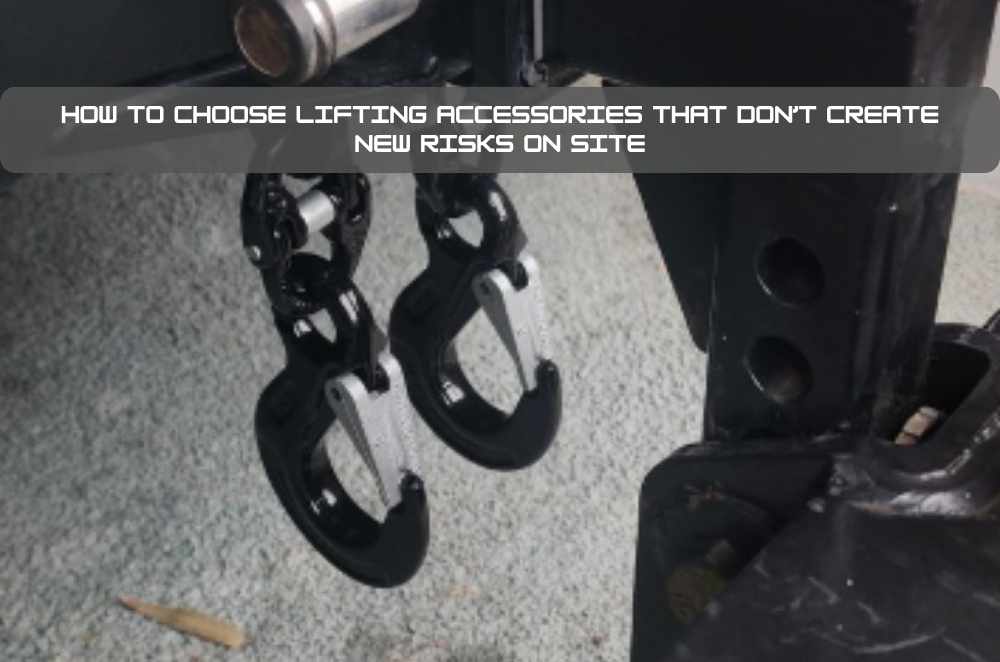
Lifting accessories are often treated like “small hardware” until something doesn’t fit, doesn’t seat properly, or forces a last-minute workaround.

On multi-level projects around Sydney, waste removal can quietly become the job that dictates the day. When debris has to travel down stairs, through corridors, or past other trades, time disappears into small trips — and the risk of clutter, awkward carries, and stop-start work rises alongside it.
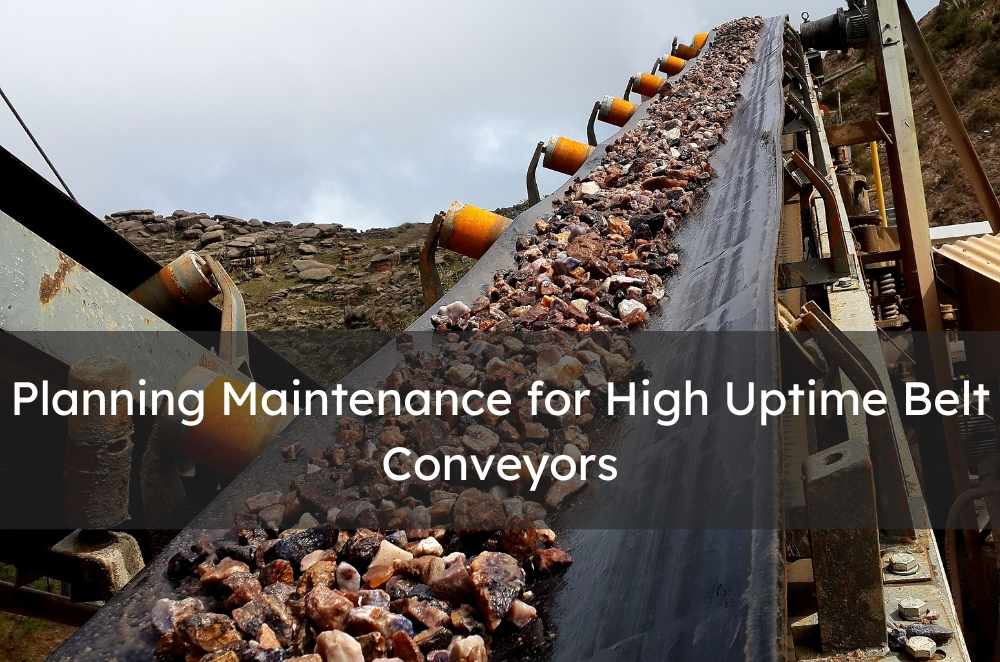
In industrial and construction settings, material movement absorbs time, money, and attention. The quickest gains often come from smoothing how goods travel between tasks instead of asking people to push harder. Many operations deploy powered belt conveyor systems for the consistent movement of materials. With controlled speed and stable transfer points, conveyors reduce stop–start delays and lower manual handling risks. That steadiness helps teams plan with fewer surprises and redirect effort toward inspection, staging, and quality. The outcome is calmer operations, fewer errors, and fewer hold-ups at loading zones, even when layouts change mid-project or when different materials need different handling at different times.
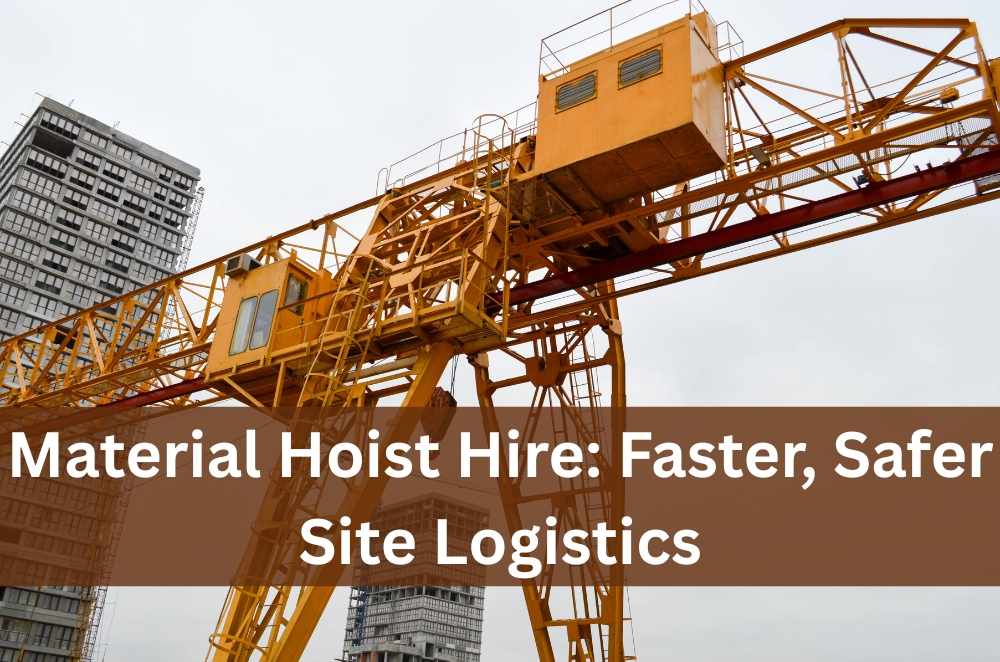
When a project hits the point where hauling heavy loads by hand starts dragging schedules, it’s time to consider smarter lifting. This material hoist hire guide explains how hiring delivers flexibility without the upfront hit, especially on smaller sites that only need gear for a defined phase. It cuts labour strain, lowers injury risk, and keeps productivity humming without blowing the budget. Crews move bricks, sheeting, and tools quickly, saving energy for skilled work instead of stair schleps. Safety improves, too: controlled vertical movement means fewer slips on ladders and scaffolds. For many builders, hoist hire is the practical balance between cost control and steady, dependable progress on Australian sites.
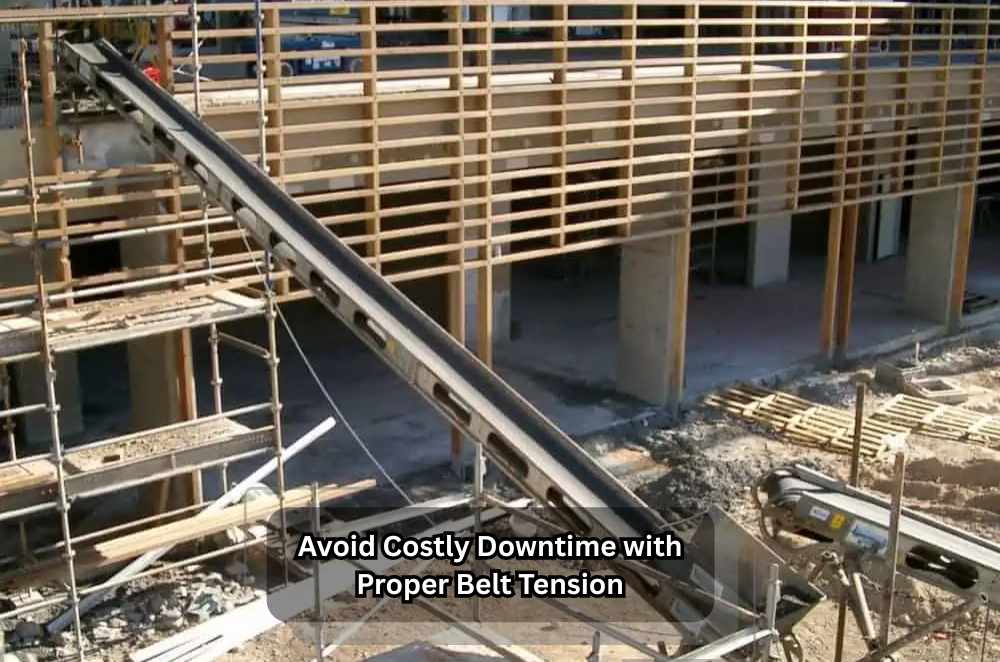
Most breakdowns in materials handling don’t start with dramatic failures; they begin with minor lapses in belt setup. Get conveyor belt tension wrong and the symptoms creep in: mistracking, spillage, noisy idlers, hot bearings, then downtime. We’ve seen teams chase problems at the edges—rollers, guards, sensors—when the culprit lives in the middle of the system. Correct tension protects splice integrity, preserves lagging, and stabilises power draw. Too tight and you chew through bearings and energy; too loose and the belt slips, heats, and waves—the good news: tension is measurable, adjustable, and teachable. A few disciplined checks turn guesswork into control and keep production moving when it matters day after day.
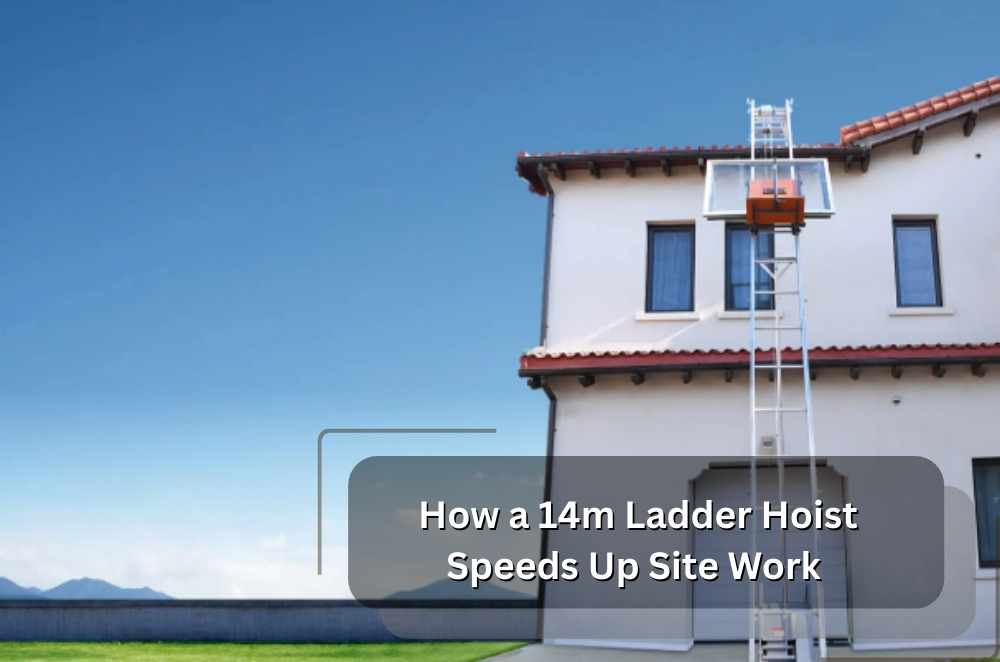
Remote installs, roof work, event rigs, most delays don’t come from the road; they come from the lift. Getting panels, framing, or a boxed kit up safely is where teams burn time and shoulders. A dependable hoist turns that grind into a routine. It’s not about flexing capacity for the sake of it; it’s about controlled movement, fewer sketchy moments, and a crew that gets home in one piece. When the span is long and the pitch is nasty, a 14m ladder hoist is the difference between “we’ll make do” and “we’ve got this.”

It’s easy to overlook the impact of conveyors until you’re up against a tough deadline. Australian industries, from construction to warehousing, rely on these workhorses to keep jobs ticking along. The need for reliability only grows as projects get larger and margins tighten. Well-known names like FlexLink have set the pace for conveyor tech. In this mix, a lot of businesses now choose CH Hoists for efficient conveyor solutions, not just as an option, but as a way to build practical, standards-based routines into everyday work. The drive for efficiency isn’t about hype. It’s about making things run smoothly—right where it matters, at ground level. With tailored support and an eye on compliance, there’s no room for half-measures or shortcuts.
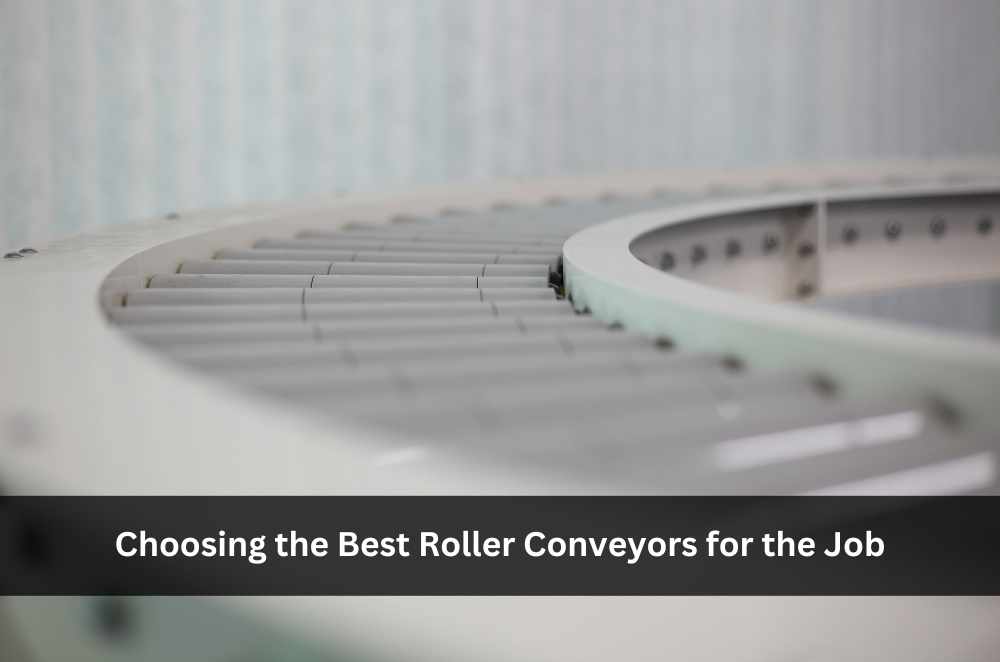
Doesn’t matter if it’s a big warehouse, a food packing line, or a busy shop floor—when you need to move stuff fast and without fuss, roller conveyors get the job done. They don’t look like much at first, but the right setup can save hours of lifting, shifting, and wasted energy. Not every model is up to scratch, though. If you want to avoid breakdowns and keep the work flowing, it pays to know where to find the best roller conveyors for your site.