
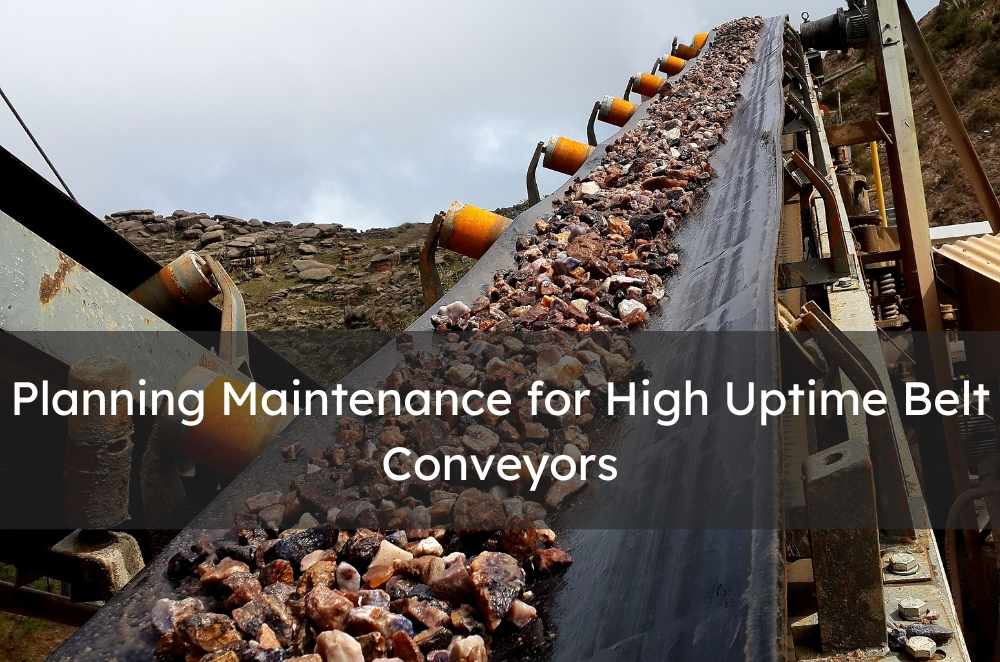
Most breakdowns in materials handling don’t start with dramatic failures; they begin with minor lapses in belt setup. Get conveyor belt tension wrong and the symptoms creep in: mistracking, spillage, noisy idlers, hot bearings, then downtime. We’ve seen teams chase problems at the edges—rollers, guards, sensors—when the culprit lives in the middle of the system. Correct tension protects splice integrity, preserves lagging, and stabilises power draw. Too tight and you chew through bearings and energy; too loose and the belt slips, heats, and waves—the good news: tension is measurable, adjustable, and teachable. A few disciplined checks turn guesswork into control and keep production moving when it matters day after day.
How do we set belt tension?
Start with the maker’s spec and measure it properly. Use consistent tools—don’t rely on guesswork and hope.
In practice, we zero the take-up, confirm pulley friction, then load the system gradually while watching motor current and drift. Temperature matters; a cold morning belt behaves differently by midday. We prefer numbers over folklore: spring balance on the take-up, stretch calculations from belt data, and a sanity check via slip tests under peak load. Record it. If the set-point lives only in someone’s head, it’s already lost.
• Verify tension warm and cold
• Log take-up movement per shift
• Cross-check the slip at peak load
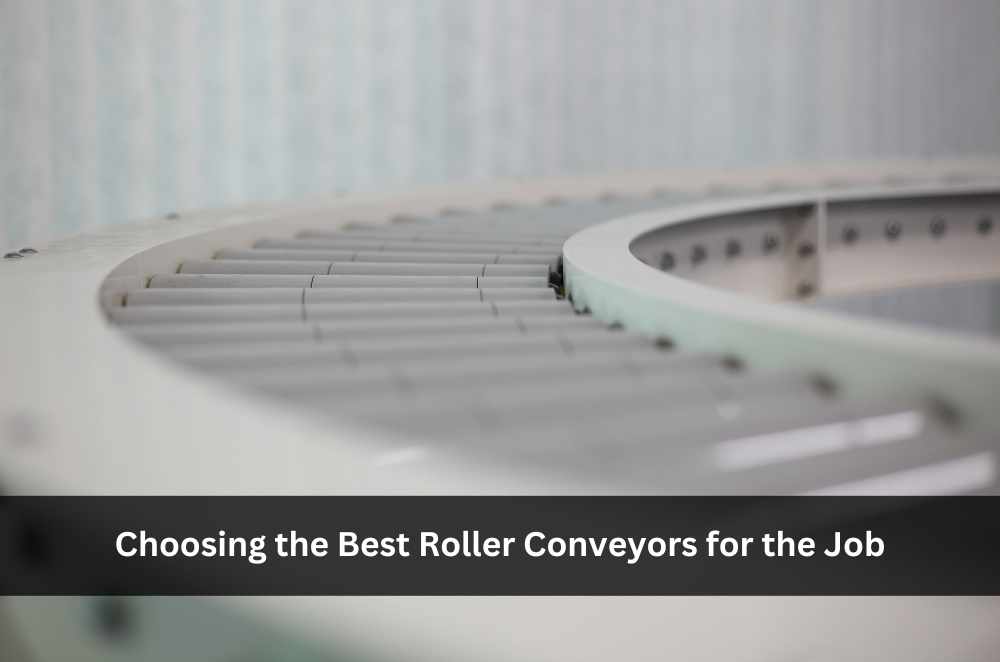
Keep the setup holistic: tracking, idler condition, and roller selection all influence stability. For matching hardware to duty and belt behaviour, we rate choosing roller conveyors as a helpful companion when you’re nudging systems toward repeatable control.
What signs show tension is wrong?
You’ll hear it first, then see it. Slippage sings; mistracking leaves a breadcrumb trail of dust.
Small clues arrive early: polished drive lagging, hot bearings, crumbly splices, and start-ups that feel sluggish. Don’t normalise those. If spillage increases despite tidy chutes, tension is usually in the frame. Watch the take-up: if it hunts, the belt’s walking on eggshells. And if your operators bump speed to “get it over the line”, they’re compensating for an upstream tension problem.
• Glazed lagging or belt shine
• Frequent tracking nudges needed
• Surging motor current on start
We also look at housekeeping. When the area under the head pulley looks like a sandbox, that’s not just dust; it’s a diary of under-tensioned days.
Why does tension drift over time?
Because systems move, belts bed in, pulleys wear, loads change, and seasons swing.
Elongation isn’t a one-off; it creeps. Wet ore adds weight you didn’t budget; dry months take it back. New idlers reduce drag; a single seized roller throws it out again. Maintenance itself shifts the goalposts—swap a pulley or relay, and the friction picture resets. Build a routine around that reality: recheck after major interventions, after seasonal transitions, and whenever your start-up profile appears different on the HMI. A tight loop of data and adjustment turns variability into a manageable pattern.
Conclusion
Tension is the quiet backbone of conveyor reliability. Nail it, and you protect splices, motors, bearings, and throughput without resorting to heroics. We favour simple habits—measure, log, adjust—and treating drift as expected, not exceptional. And when capacity surges push you toward temporary kit, folding that gear into your tension routine keeps people and product safe; here’s a straight-to-the-point primer on belt hire safety benefits.






Write a comment ...