
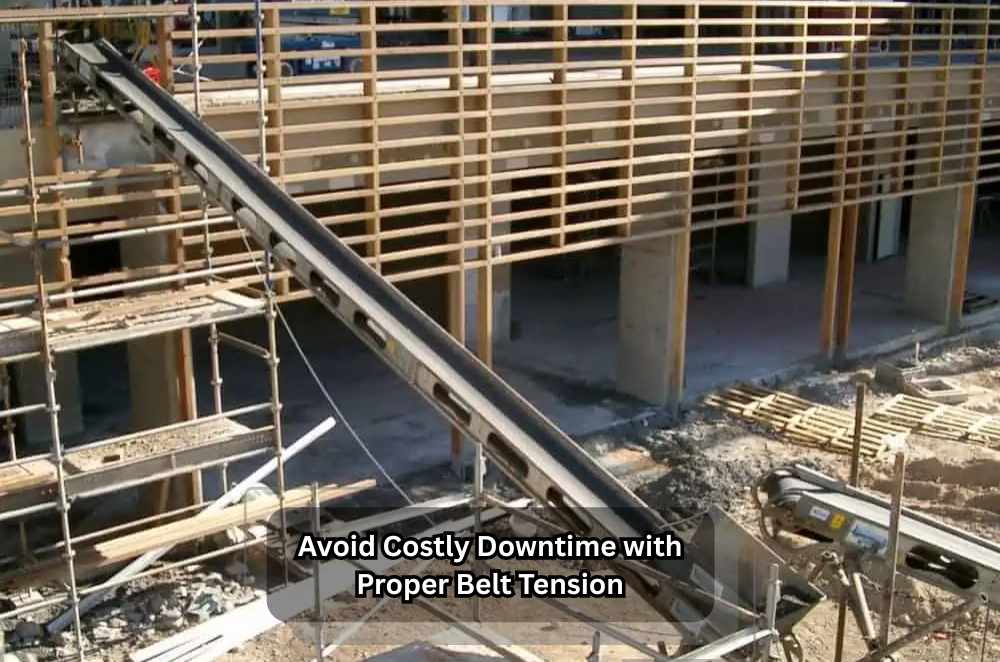
In industrial and construction settings, material movement absorbs time, money, and attention. The quickest gains often come from smoothing how goods travel between tasks instead of asking people to push harder. Many operations deploy powered belt conveyor systems for the consistent movement of materials. With controlled speed and stable transfer points, conveyors reduce stop–start delays and lower manual handling risks. That steadiness helps teams plan with fewer surprises and redirect effort toward inspection, staging, and quality. The outcome is calmer operations, fewer errors, and fewer hold-ups at loading zones, even when layouts change mid-project or when different materials need different handling at different times.
How do belt conveyors improve project efficiency?
Belt conveyors cut handling time and reduce manual risk. They keep materials moving at a steady, predictable pace.
That predictability prevents bottlenecks at loading and transfer points, which supports schedules and limits idle plant. Teams can shift effort to higher-value work, such as quality checks and staging. In practice, throughput can be stabilised with project conveyor hire when layouts change, so material handling remains reliable during reconfiguration.
Continuous flow minimises stop-start delays
Lower manual handling reduces injuries
Predictable throughput improves planning accuracy
What features matter most for long-term conveyor gains?
Reliability, controllability, and maintainability matter most. Select drives for duty cycles and belts for product grip.
The biggest wins come from systems that adapt to varied loads and speeds across a shift. Variable speed control protects fragile goods, while rugged frames handle bulk material movement. Plan easy access to pulleys, tracking, and bearings so maintenance takes minutes, not hours. Sensors for misalignment and overload alerts further reduce downtime and energy waste across production. Add clear service intervals, labelled isolation points, and real-time monitoring so small issues surface early and crews can correct them before they cascade into unplanned stoppages.
Match the belt surface to the product and weight
Use sensors for tracking and safety
Standardise parts to simplify spares
Monitor energy use to uncover savings
When should you choose temporary or modular setups?
Choose temporary or modular setups when workload spikes or layouts change often. They add capacity without long commitments.
Short-term hire supports throughput during peaks or site transitions, then scales back as demand eases. Portable frames and plug-and-play controls shorten installation and relocation across warehouses or construction zones. In evolving setups, modular conveyor design supports extensions and curves and merges without a full rebuild. Modularity also supports resilience by enabling iterative improvement over time.
Temporary hire bridges peak periods
Modular layouts scale with demand
Quick reconfiguration limits downtime
Standard modules streamline maintenance
Conclusion
Better conveyor choices pay back in time saved, injuries avoided, and energy reduced. Pair stable flow with adaptive controls, and gains compound across projects and production. Thoughtful belt conveyor design turns everyday movement into a reliable engine for productivity. Beyond the immediate wins, consistent ergonomics and clear access for maintenance lift uptime across the year. Data logging highlights misalignment trends before they become stoppages. Standardised parts simplify spares and training. Modular sections support layout changes without heavy rework. Clear isolation points and routine inspections keep risks low while preserving output. Over time, these small decisions build durable reliability and predictable costs.



Write a comment ...